
Creative Meal Planning for a Balanced Diet
- Sep 16, 2025
- 4 min read
Planning your meals doesn’t have to be a chore or a boring routine. In fact, with a little creativity, balanced meal planning can become your secret weapon for staying healthy, saving time, and even enjoying your food more. Whether you’re juggling a busy schedule or aiming to fuel your workouts better, a well-thought-out meal plan can make all the difference. So, how do you make meal planning both effective and exciting? Let’s dive in.
Why Balanced Meal Planning Matters
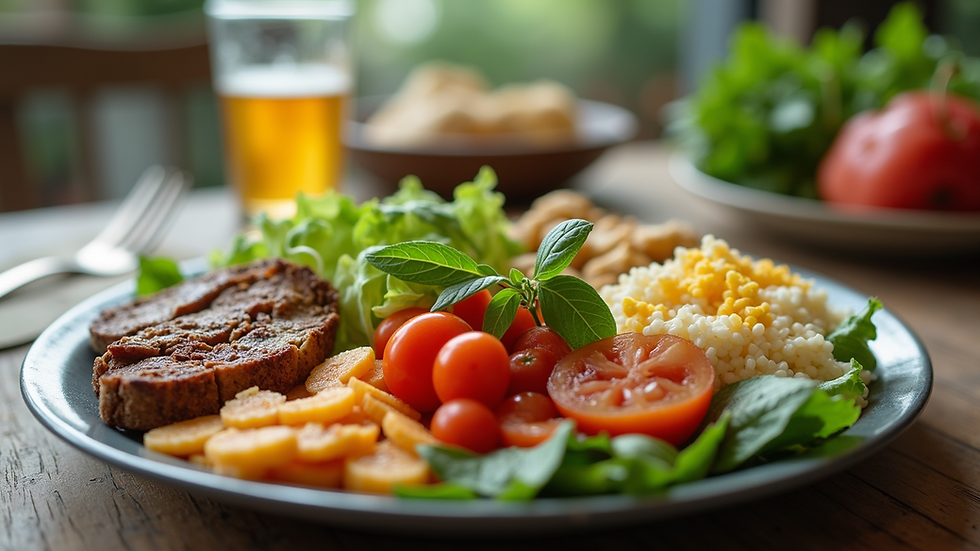
Balanced meal planning is about more than just putting food on your plate. It’s about ensuring your body gets the right mix of nutrients to function at its best. Think of it as assembling a team where every player has a role - proteins build and repair, carbs fuel your energy, fats support brain health, and vitamins and minerals keep everything running smoothly.
When you plan meals with balance in mind, you avoid the pitfalls of last-minute unhealthy choices. Plus, it helps you control portions and reduce food waste. And let’s be honest, who doesn’t want to feel energised and satisfied after eating?
Here’s a quick breakdown of what a balanced meal typically includes:
Proteins: Chicken, fish, tofu, beans, or lentils
Carbohydrates: Whole grains like brown rice, quinoa, or oats
Fats: Avocado, nuts, seeds, or olive oil
Vegetables: A colourful variety for vitamins and fibre
Fruits: For natural sweetness and antioxidants
By mixing these components creatively, you keep your meals interesting and your body happy.

How to Approach Balanced Meal Planning with Flair
Now, let’s talk about how to make balanced meal planning a breeze and a bit of fun. The key is to keep it simple but flexible. Start by choosing a few staple ingredients you love and can use in multiple dishes. For example, roast a batch of chicken breasts on Sunday, cook some quinoa, and chop a variety of veggies. These can be mixed and matched throughout the week.
Don’t be afraid to experiment with herbs, spices, and different cooking methods. Grilled, steamed, roasted, or stir-fried - each technique brings out unique flavours and textures. This variety keeps your taste buds engaged and prevents meal fatigue.
Another tip? Use leftovers creatively. That roast chicken can become a salad topping, a wrap filling, or part of a hearty soup. This not only saves time but also reduces waste.
If you’re looking for inspiration, check out some meal planning ideas that can spark your creativity and help you stay on track.

What are the 7 Factors to Consider in Planning Meals?
Planning meals isn’t just about picking tasty recipes. There are several factors to consider to make sure your plan works for you:
Nutritional Balance: Ensure each meal has a good mix of macronutrients and micronutrients.
Calorie Needs: Tailor portions to your energy requirements, whether you want to maintain, lose, or gain weight.
Time Available: Choose recipes that fit your schedule. Quick meals for busy days, more elaborate ones when you have time.
Budget: Plan meals that are affordable and make the most of seasonal produce.
Preferences and Restrictions: Account for any dietary needs, allergies, or dislikes.
Variety: Rotate ingredients and dishes to avoid boredom and cover a broad nutrient spectrum.
Storage and Shelf Life: Consider how long ingredients and prepared meals will last to avoid spoilage.
By keeping these factors in mind, you create a meal plan that’s not only balanced but also practical and enjoyable.

Tips for Staying Consistent and Motivated
Let’s face it - even the best meal plan can fall apart if you’re not motivated. Here are some tips to keep you on track:
Set Realistic Goals: Don’t aim for perfection. Start with small changes and build up.
Prep in Batches: Dedicate a couple of hours once or twice a week to prep ingredients or meals.
Keep It Fun: Try new recipes or cuisines to keep things exciting.
Use Technology: Apps and online planners can help you organise shopping lists and recipes.
Involve Others: Share your meal plans with family or friends for support and accountability.
Celebrate Wins: Enjoy the benefits of your efforts, like more energy or better sleep.
Remember, meal planning is a skill that improves with practice. The more you do it, the easier and more enjoyable it becomes.
Making Balanced Meal Planning Work for You
At the end of the day, balanced meal planning is about creating a system that fits your lifestyle and tastes. It’s not about rigid rules but about making smart choices that nourish your body and suit your schedule.
Start small, stay flexible, and don’t be afraid to get creative. With a bit of planning and a dash of humour, you’ll find yourself looking forward to your meals instead of dreading them. And who knows? You might even become the go-to chef among your friends.
So, why not give it a go? Your body and taste buds will thank you.
Ready to take your nutrition to the next level? Explore more meal planning ideas and personalised plans to suit your goals and lifestyle.


Comments