Ignite FitnessIGNITE FITNESSPERSONAL TRAINING · HESWALL

NUTRITION & HABIT COACHING

Eat well.
Fuel your training.
Enjoy your life.

Practical nutrition education and manageable habits, built around your goals, food preferences and everyday routine.

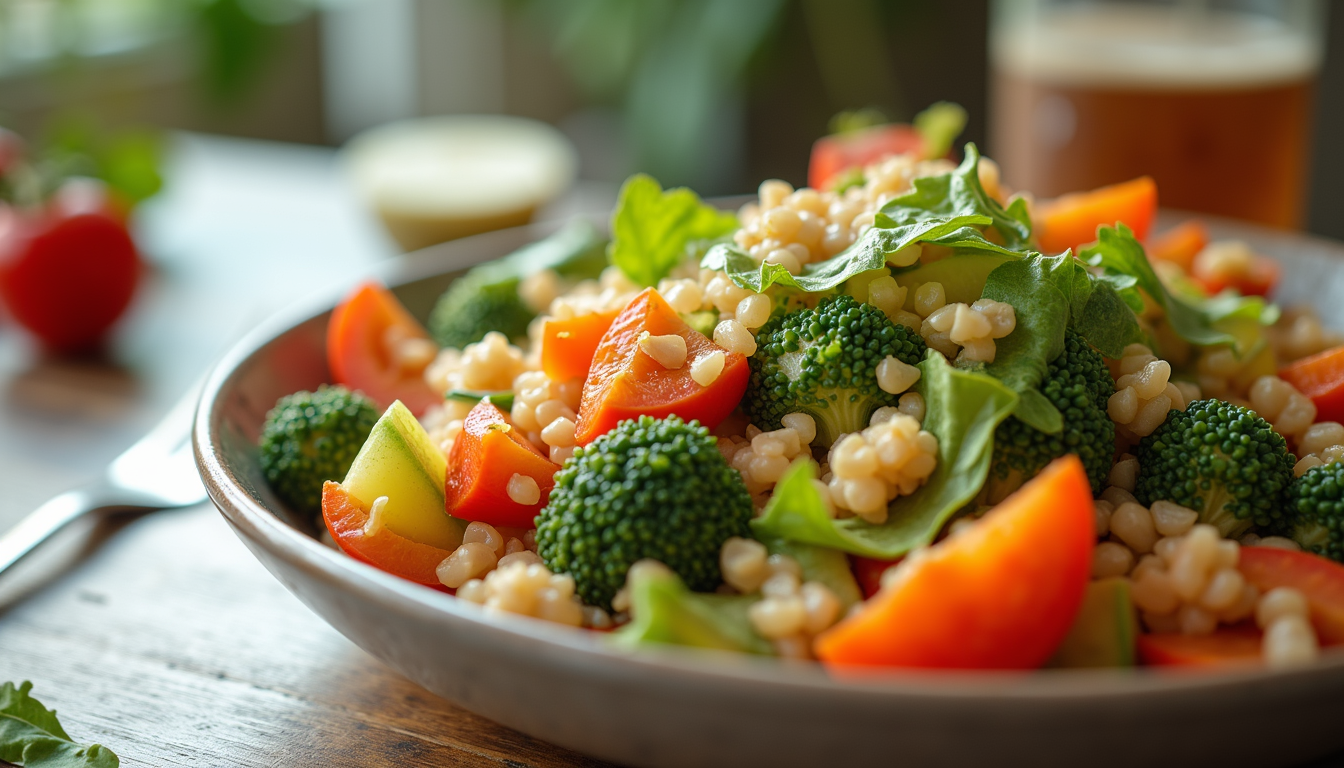
A selection of food for balanced everyday meals

START WITH WHAT YOU CAN REPEAT

A healthier relationship
with food starts here.

Nutrition should help you live and train well.

There is plenty of advice about what you should cut out. A more useful starting point is understanding what your current routine needs: a lunch that keeps you going, food ready after a late finish, or a shopping list that makes the week simpler.

At Ignite Fitness, nutrition support sits alongside training. We look at realistic changes you can practise consistently, then review how they fit your life. You bring your preferences and experience; we work together on the structure.

See how coaching can help ↓

UNDERSTAND THE BASICS

What goes into eating well?

Think about your overall eating pattern across the day and week. Every meal does not have to be perfect.

01 / PROTEIN

Include a protein source

Protein supports the repair and growth of body tissues, including muscle. Examples include eggs, fish, lean meat, dairy, tofu, beans and lentils.

Try this: identify the protein food in your usual lunch. If there isn’t one, choose an option you enjoy adding.

02 / CARBOHYDRATES

Fuel your activity

Carbohydrates provide fuel for exercise. Foods such as oats, potatoes, rice, bread and pasta can be part of a balanced approach to training.

Try this: plan a familiar meal around your training time rather than arriving at a session after skipping food all day.

03 / FATS

Choose thoughtfully

Include some fat in your diet. Unsaturated options include olive or rapeseed oil, nuts and seeds. Fats are energy-dense, so the amounts you use matter too.

Try this: notice how much oil you use in cooking before changing the whole meal.

04 / FRUIT & VEGETABLES

Build in variety

UK guidance recommends at least five portions of varied fruit and vegetables a day. Fresh, frozen and tinned options can all help.

Try this: keep frozen vegetables ready for a quick evening meal and put fruit where you will see it.

05 / FIBRE

Look beyond the protein

Adult UK guidance is to aim for 30g of fibre daily. Wholegrains, pulses, fruit and vegetables help you work towards it. Increase fibre gradually and drink enough fluid.

Try this: swap one usual cereal or bread for a higher-fibre option, or add beans to a meal you already cook.

06 / FLUIDS

Make drinking a habit

The general UK guide is six to eight cups or glasses of fluid daily. Exercise and hot weather may increase your needs. Water is a simple everyday choice.

Try this: keep a drink with you during the working day and bring water to your training session.

General guidance: NHS Eatwell Guide, NHS fibre guidance and British Dietetic Association sport and exercise nutrition. Individual needs vary.

A colourful selection of foods

REAL FOOD. EVERYDAY HABITS.

A little planning.
A lot less guesswork.

Build meals around foods you enjoy, with room for variety and the way you live.

Explore everyday meals ↓

PUT IT INTO PRACTICE

Build meals you enjoy.

Ideas to adapt.
A flexible starting point.

Start with the meals you already eat.

Ask a few simple questions: is there a protein food? Is there some fruit or veg? Would a higher-fibre option work? Is the portion suitable for your appetite, activity and goals?

A pasta dish, sandwich or curry can bring several food groups together. You do not need to replace every familiar meal with a different “fitness” version.

Food labels can help compare similar products. Use the same basis, such as per 100g, and check whether the stated portion matches the amount you actually eat. Read the NHS food-label guide ↗

Everyday combinations

Breakfast

Porridge with milk or a suitable fortified alternative, fruit and a topping you enjoy.

Lunch

A wholemeal wrap with chicken, tofu or beans, plus salad and a piece of fruit.

Dinner

Potatoes or rice, fish or lentils, and a mix of vegetables.

When you need a snack

Choose something that suits your appetite and preferences, such as yoghurt and fruit or toast with a topping.

Illustrative meal ideas, not a prescribed meal plan. Adapt for allergies, dietary requirements and individual needs.

MAKE CONSISTENCY EASIER

Small changes.
Less daily guesswork.

01

Notice your difficult moment

Think about where the week usually becomes harder. Is it missing lunch, getting home late or having nothing planned for the weekend?

Choose one situation to work on
02

Make a practical plan

Pick a manageable response: a packed lunch, a freezer meal or two repeatable evening meals. Make a shopping list around that plan.

Keep a realistic backup
03

Review without judgement

At the end of the week, ask what helped and what got in the way. Adjust the plan rather than treating one difficult day as a reason to stop.

Practise, learn and adapt

Working towards fat loss?

Lasting weight change relates to energy intake and energy use over time. A useful plan still needs to support your training, health and ability to keep going. Discuss your routine and realistic expectations rather than choosing a very restrictive approach. NHS: understanding calories ↗

HOW IGNITE FITNESS CAN HELP

Information is a start.
Support puts it to work.

Talk to Jason about the level of nutrition support that fits your chosen training plan and the habits you want to work on.

Discuss your nutrition goals ↗

Support within your coaching

  • Understand your routine: discuss food preferences, working patterns and the challenges you face.
  • Build everyday habits: focus on practical actions around shopping, meals and consistency.
  • Connect food and training: consider how your eating routine fits your exercise.
  • Review the approach: discuss what is manageable and what needs changing.

Studio plans include nutrition advice and a monthly recipe pack. Two- and three-session weekly plans also list nutrition and habit coaching and a macro breakdown. Confirm the support included in your chosen plan with Jason.

Compare coaching plans ↗

A CLEARER UNDERSTANDING

Nutrition questions.

Build confidence in the basics before adding complexity.

Do I have to count every calorie?

Not everyone needs or wants to track food. Discuss whether a habit-based approach, more structure or short-term tracking would be useful for you. Tracking is a tool, not a requirement for learning to eat well.

Do I need protein supplements?

Ordinary foods can provide protein. A supplement may be convenient in some circumstances, but it is not the starting point for everyone. Discuss your normal meals and needs before spending money on products.

Can I still enjoy meals out?

Yes. Tell Jason about the social occasions and foods that matter to you so the plan takes account of real life. Think about your overall routine rather than labelling one meal a success or failure.

Is this a separate nutrition subscription?

The listed studio programmes include different levels of nutrition support. There is no separate nutrition-only package priced on this site. Ask Jason what is available and suitable before committing.

What if I have a medical dietary requirement?

Nutrition coaching here is general education and habit support. A medical condition, eating disorder or therapeutic diet may require a registered dietitian or another healthcare professional. Discuss this privately before changing your diet.

THE NUTRITION JOURNAL

Explore food, nutrition
and everyday habits.

Browse 18 articles and guides on meal planning, protein, food habits and eating to support your goals.
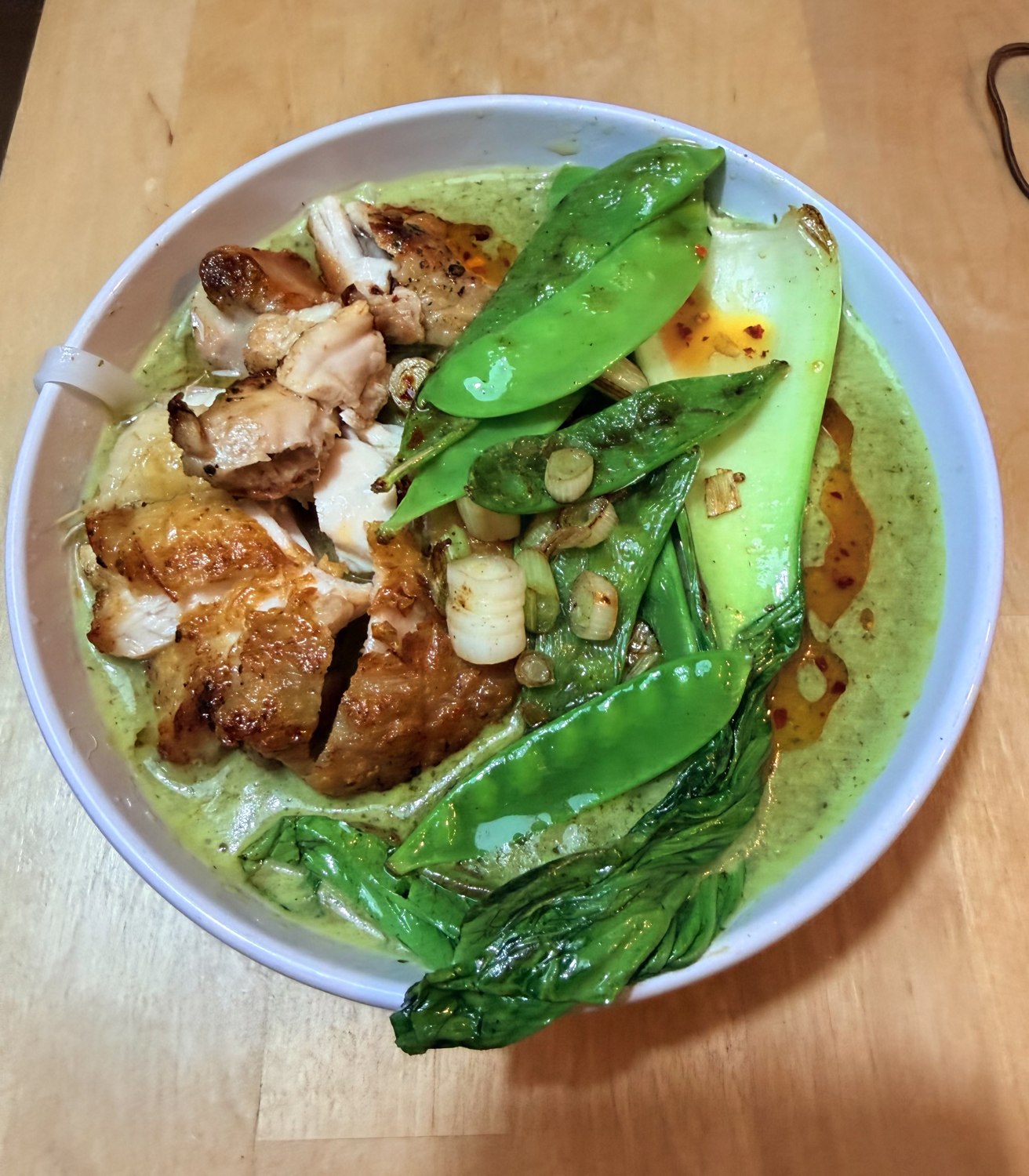
NUTRITION · 4 MIN READ

Eating to support your training

When you begin a training programme, it is tempting to change everything at once: your workouts, breakfast, evening meals and a cupboard full of supplements. A more useful starting point is understanding how your normal eating routine fits the training you are…

Full guide · 688 words

Read the full article ↗

NUTRITION · 4 MIN READ

Meal planning for a busy week

Start with the week you actually have. If you work late on Tuesday and train on Thursday, those evenings need a different approach from a relaxed weekend. Planning is about reducing the number of decisions left until you are hungry and…

Full guide · 649 words

Read the full article ↗

Original archive introductions are labelled where the published source contains little or no article text.

TURN INFORMATION INTO ACTION

Build habits that work for you.

Discuss your training, food habits and goals with Jason.

Ask about nutrition support ↗
WhatsApp Jason