
Getting fit after 40
- May 15
- 5 min read
Getting fit after 40 can feel like my body has quietly changed the rules on me. Recovery takes a bit longer, stiffness shows up more easily, and fat loss doesn’t always respond the way it used to. But what I’ve learned over time is that this isn’t simply “getting older” in a vague sense—it’s a very predictable set of physiological changes that I can actively influence with the right approach to training, nutrition, and lifestyle.
Once I understood what was actually happening inside the body, everything started to make sense. Progress stopped feeling random, and instead became something I could actually plan for again.

What actually changes after 40 (and why it matters)
From around 30 onwards, the body gradually starts to shift in ways that become more noticeable by the time I reach my 40s.
One of the biggest changes is loss of muscle mass, known as sarcopenia. Without regular resistance training, I can lose around 3–8% of muscle per decade, and that muscle isn’t just about appearance—it’s what drives metabolism, protects joints, and keeps the body strong and stable. Less muscle means I don’t burn as many calories at rest, and everyday tasks can start to feel a little harder than they should.
At the same time, hormones that support recovery and growth—like testosterone, growth hormone, and IGF-1—gradually decline. This doesn’t stop progress, but it does mean I need to be more intentional about recovery, sleep, and training structure because the body simply doesn’t “bounce back” as quickly as it once did.
Energy production also changes at a cellular level. The mitochondria, which are responsible for producing energy in every cell, become slightly less efficient over time. This is one reason energy levels can feel more inconsistent, especially if training, stress, and sleep aren’t well balanced.
There’s also an increase in low-grade chronic inflammation, sometimes called “inflammaging.” This is often what shows up as stiff joints, slower recovery from training, or those little niggles that take longer to settle.
And finally, movement quality changes. Years of sitting, driving, repetitive work positions, and reduced full-range movement gradually affect how joints move. This is where mobility starts to become one of the most underrated parts of long-term health.
Why training becomes more powerful, not less
The most important shift in mindset for me is this: these changes are not a dead end—they are a training opportunity.
Research consistently shows that structured exercise can reduce the risk of chronic disease and premature decline by 30–40%, while also improving strength, metabolic health, and quality of life well into later years.
What’s even more powerful is that the body remains highly adaptable after 40. Muscle can still be built, strength can still increase, and fitness can still improve significantly. The difference is that it responds best to consistency, structure, and recovery—not random, high-intensity punishment.
For me, training after 40 isn’t about chasing the body I once had. It’s about building a body that performs better than I expect for the life I want to live.

Strength training is the anchor point
If there’s one thing that changes everything after 40, it’s resistance training.
It’s the most effective tool I have for:
Rebuilding and maintaining muscle
Supporting joint integrity and bone density
Increasing metabolic rate
Improving posture and movement efficiency
Enhancing confidence in physical ability
But the key shift is understanding that more intensity doesn’t always mean better results. Instead, it’s about structured progression—controlled, repeatable movements that the body can recover from and adapt to over time.
When I consistently train fundamental movement patterns like squatting, hinging, pushing, pulling, and loaded carries, I don’t just get stronger in the gym—I notice everything in daily life improves. Carrying shopping, climbing stairs, getting up from the floor, even posture at a desk all feel easier and more natural.
Even just 2–3 well-structured sessions per week can create a completely different physical baseline within a few months.
Mobility: the foundation most people underestimate
One of the biggest lessons I’ve learned is that strength without mobility eventually hits a ceiling.
As connective tissues naturally lose some elasticity with age, joints can become stiffer if they’re not taken through full, controlled ranges of motion. This doesn’t just affect performance—it affects comfort, confidence, and injury risk.
Mobility work helps me:
Restore natural joint range
Reduce stiffness and discomfort
Improve balance and coordination
Move with more control and efficiency
Support long-term joint health
This doesn’t need to be complicated or time-consuming. Simple daily movement, controlled joint rotations, dynamic warm-ups, and light loaded stretching all build up over time. The key is consistency, not complexity.
Mobility is what allows strength to actually transfer into real life—not just gym performance.
Cardio, heart health, and long-term energy
Cardiovascular training becomes just as important, but for reasons that go far beyond fitness.
Regular aerobic work improves:
Heart and lung efficiency
Oxygen delivery to working muscles
Fat metabolism and energy balance
Brain health and cognitive function
Studies show that maintaining good aerobic fitness is strongly linked with reduced risk of cardiovascular disease and even improved long-term cognitive health.
Even simple, consistent activities like brisk walking, cycling, rowing, or incline treadmill work build a powerful foundation. It’s not about going hard—it’s about staying consistent enough for the body to adapt.
Nutrition: supporting performance, not restricting life
My approach to nutrition after 40 shifts away from restriction and towards support.
The goal is to give the body what it needs to recover, build, and function properly.
Key priorities become:
Protein intake to support muscle repair and retention
Healthy fats for hormone function and joint health
Micronutrient-rich foods for energy, immunity, and recovery
Hydration to support performance and cognitive clarity
One of the biggest mistakes I see is extreme dieting, which often leads to fatigue, muscle loss, and a slower metabolism. Instead, the focus should be on consistency and quality—not perfection.
When nutrition is aligned properly, everything else improves: training performance, recovery speed, energy levels, and even mood.
The real goal after 40
For me, getting fit after 40 isn’t about restriction, punishment, or trying to rewind time.
It’s about building a body that:
Feels strong under load
Moves freely without stiffness
Has stable, reliable energy
Recovers efficiently
Stays resilient under stress
This is what real fitness looks like in this stage of life. It’s not about extremes—it’s about capability.
How I apply this with clients
This is exactly why I focus on personalised coaching.
Everyone over 40 has a different starting point—injuries, lifestyle demands, stress levels, previous training experience, and confidence all shape what works.
A structured, tailored approach removes guesswork. Instead of jumping between random workouts or conflicting advice, everything becomes intentional: strength is built progressively, mobility is restored strategically, and nutrition supports the overall goal.
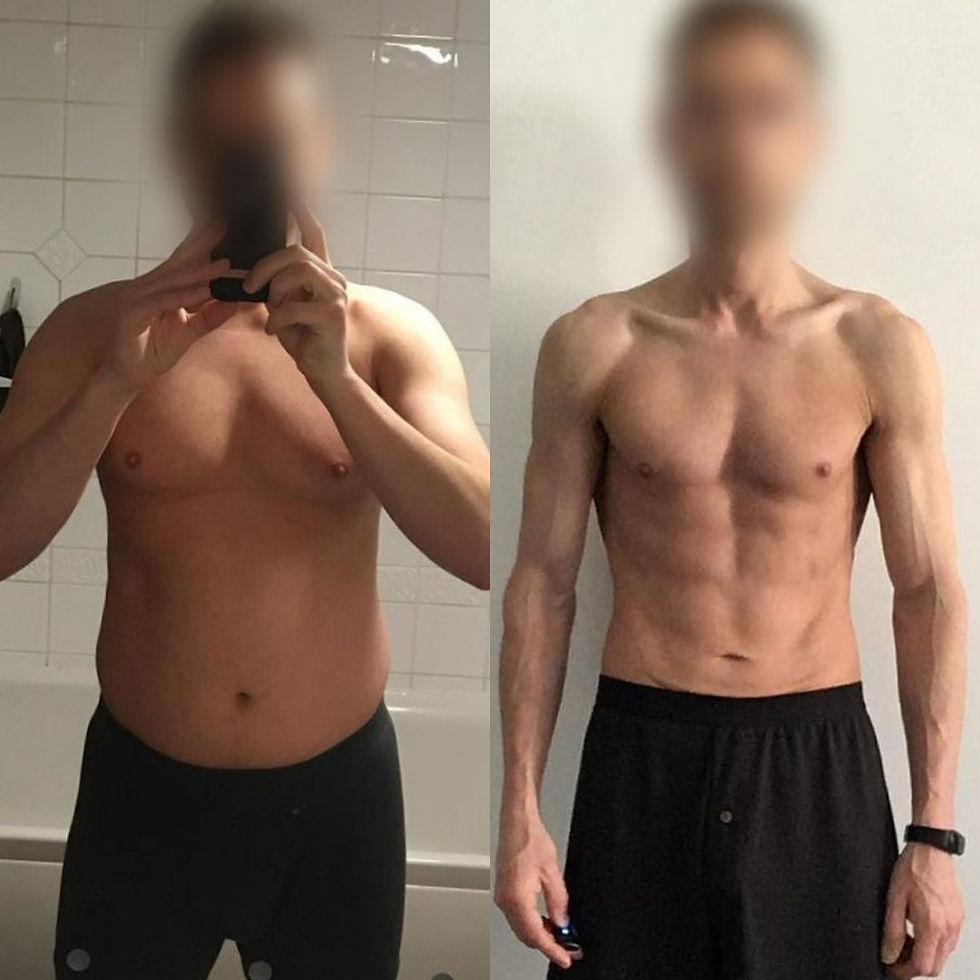
When all three areas are aligned, progress becomes predictable again. Not rushed. Not chaotic. Just steady, visible improvement that actually lasts.
And that’s where confidence starts to come back—not just physically, but mentally too.
Final thought
Getting fit after 40 isn’t about doing more—it’s about doing what actually works for the body you have now.
When training is structured properly, the body responds in ways most people don’t expect. Strength comes back. Movement improves. Energy increases. And daily life feels easier again.
At that point, it becomes clear that ageing isn’t simply a decline—it’s a shift in strategy.
And when the strategy is right, the results are still very much there to be built.
Ready to start?
If this resonates and you’re ready to take control of how your body feels and performs, the next step is simple.
I work with people over 40 who want to rebuild strength, improve mobility, and get their energy back without guesswork or random training plans.
If you want a structured plan built around your body, your lifestyle, and your goals, reach out and let’s get started. Your body doesn’t need to slow down—it just needs the right approach.
Click the link and book your free consultation https://www.ignitefitness-personaltraining.com/book-online


Comments